
Custom Healthcare and Medical Software Development Company
Arkenea is a custom healthcare and medical software development company for medical practices, healthcare organizations and HealthTech entrepreneurs and startups. Arkenea has worked exclusively in healthcare software development since 2011, making the depth of experience in healthcare unmatched today.

Awarded Best Healthcare Software Development Company For 3rd Year
Client Testimonials
Here’s what clients who’ve worked with Arkenea (and still continuing to) have to say about their experience, rating Arkenea among the best Healthcare Software Development Companies.

Dr Leo Langlois
Arkenea helped provide both practical advice and experience that enabled us to launch our website and create complementary mobile applications in a cost effective way while providing ongoing product support into the future. Without Arkenea, this dream would have vanished into oblivion.

Dr Ashley Mitek
We partnered with Arkenea to develop our platform, and the experience has been nothing short of exceptional. From the initial consultation to the final product launch, Arkenea demonstrated a deep understanding of our needs and delivered a product that exceeded our expectations.

Bryan James
We highly recommend Arkenea to any healthcare organization looking for a reliable and innovative software development partner. Their dedication to excellence and customer satisfaction sets them apart in the industry.

Dr Wayne Colin
Their expertise in healthcare technology was evident throughout the project, and they consistently delivered high-quality work on time and within budget.
Some Of Our Key Clients






Exclusive Healthcare Software Development Since 2011
Our medical software development expertise spans hospital software, operational software for outpatient clinics and physician practices, and custom solutions for life sciences and pharmaceutical companies. We also develop custom healthcare and medical software for HealthTech startups and entrepreneurs.
- 4.9 Clutch review rating with a 5.0 average referral rating.
- We help you develop a fully interoperable healthcare software leveraging FHIR and HL7 that third-party healthcare systems and applications can integrate with.
- Our API integration team helps seamlessly integrate your healthcare software with healthcare systems, EHRs and other third-party APIs, whether EHRs such as Oracle Cerner, EPIC or Athena Health or API engines such as 1upHealth and Redox Engine.
- We develop healthcare software compliant with HIPAA, HITRUST, HL7, IEC 62304, DICOM, ICD-10, PIPEDA, EPHI, PCI-DSS, IHE, LOINC, MDR, GMP and FDA 21 CFR Part 820 policies, where applicable.
- Case Study: We developed ORLink, a cloud-based, surgical workflow software (HIPAA compliant) that recently raised over $1 million in venture funding.
- Case Study: We developed custom software solutions for Novo Nordisk, a Fortune 500. App development engagement for one country operation scaled to 4 country operations.
- Case Study: NPHub, a nurse recruitment software we designed and developed from ground up, scaled to over $1.6M in revenues within first 18 months.
Entrust your custom medical software development to specialists
We move with startup-like agility: fast, flexible, and always adapting, so you see progress quickly without getting stuck in red tape of larger healthcare and medical software development companies.
But more than just writing code, we think with you. Our job is to prevent expensive missteps, bring clarity to complex decisions, and help you build smarter software from the start.
Every Arkenea engagement begins with a paid discovery phase that produces a functional specification before any fixed price is quoted. You know exactly what will be built, how it will handle PHI, and what it will cost before committing to development.
100%
Healthcare Focused
100%
Client Satisfaction
55+
Engineers, UI/UX and Analysts
Why Healthcare Organizations Choose Arkenea
A medical software development company that works only in healthcare starts your project already knowing the terrain: how a prior authorization actually moves, why clinicians abandon software that adds clicks to documentation, and what HIPAA requires of system architecture rather than just policy documents. Arkenea has built healthcare software exclusively since 2011. That focus changes three things about how your project runs.
Clinical Workflow Fluency
Our analysts and engineers have spent 15 years inside EHR workflows, revenue cycles, care coordination, and patient engagement. You do not spend the first three months of your budget teaching your development team how healthcare works. Discovery starts at the level of your specialty's workflows, not at "what is a payer."
Compliance as Architecture
HIPAA compliance is an architectural decision made on day one: how PHI is encrypted, segmented, logged, and accessed. When compliance is bolted on before launch instead, the usual result is rework, delayed release dates, and audit findings that could have been designed out. We design it in from the first technical specification.
Discovery First Engagement Model
Every project begins with a discovery phase that produces a functional specification before any fixed price is quoted. You see exactly what will be built, screen by screen and integration by integration, before committing your budget. Agencies that quote a fixed price from a two page brief are guessing, and the client pays for the guess in change orders.
Our Case Studies
01
Case Study
ORLink - Surgical Workflow Software
Digital Preference Cards
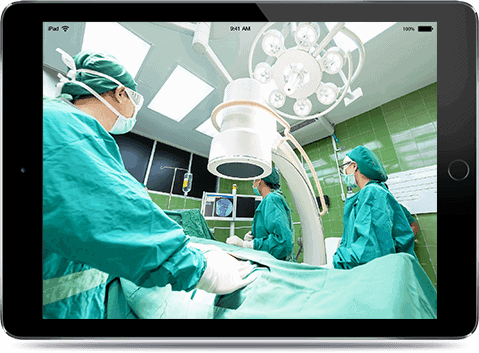
Arkenea partnered with ORLINK to design and develop a custom surgical workflow management platform, initially built as an intuitive iPad application tailored for use inside operating rooms. The solution was engineered with clinician-friendly UX, real-time data capture, and secure syncing capabilities, key features that contributed to ORLINK securing $1 million in venture capital funding up on launch.
Following its successful debut, the application was expanded to iPhone devices and enhanced with artificial intelligence algorithms to optimize surgical scheduling, streamline intraoperative communication, and reduce procedural delays. Its AI-driven features support real-time recommendations and predictive alerts to improve operating room efficiency and surgical team coordination.
The platform has since been piloted across multiple hospitals and surgical centers in the United States, demonstrating strong clinical adoption and scalability in real-world healthcare environments.
hamilton physical therapy
Custom EHR Software
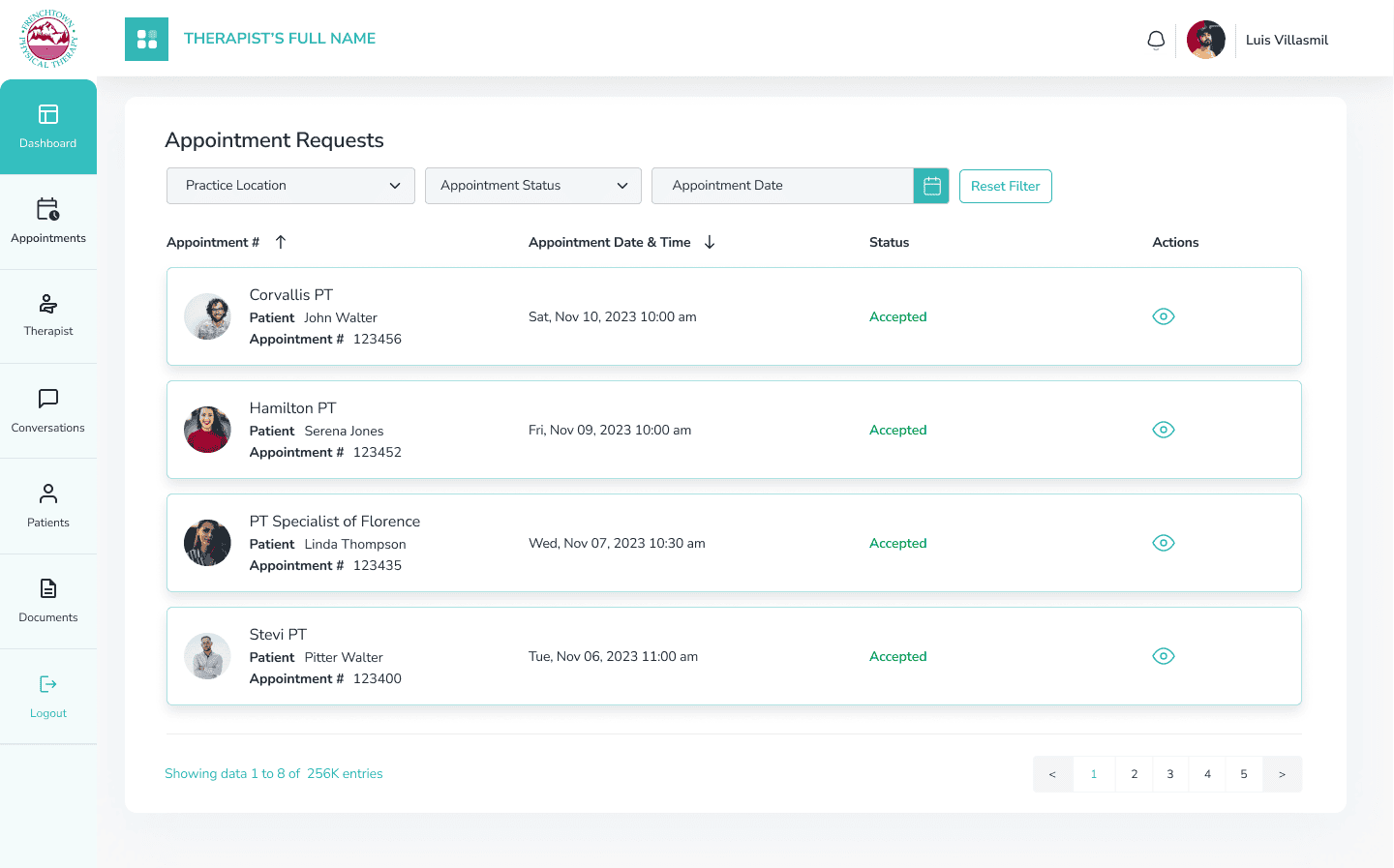
Arkenea partnered with a physical therapy clinic to design and develop a custom EHR software tailored to the unique needs of patient care. The platform was built to streamline therapist workflows, reduce documentation time, and enhance patient engagement throughout the treatment cycle.
Key features included digital patient intake, therapy progress tracking, customizable SOAP notes, treatment plan templates, and seamless integration with billing systems for insurance claims and reimbursement. The EHR also supported ePrescriptions, appointment scheduling, and secure therapist-patient messaging, all within a HIPAA-compliant framework.
By focusing on usability and physical therapy-specific functionality, the custom EHR significantly improved operational efficiency, minimized administrative overhead, and empowered clinicians to spend more time delivering hands-on care.
02
Case Study
03
Case Study
MiPHR - Healthtech company
Health Management Software
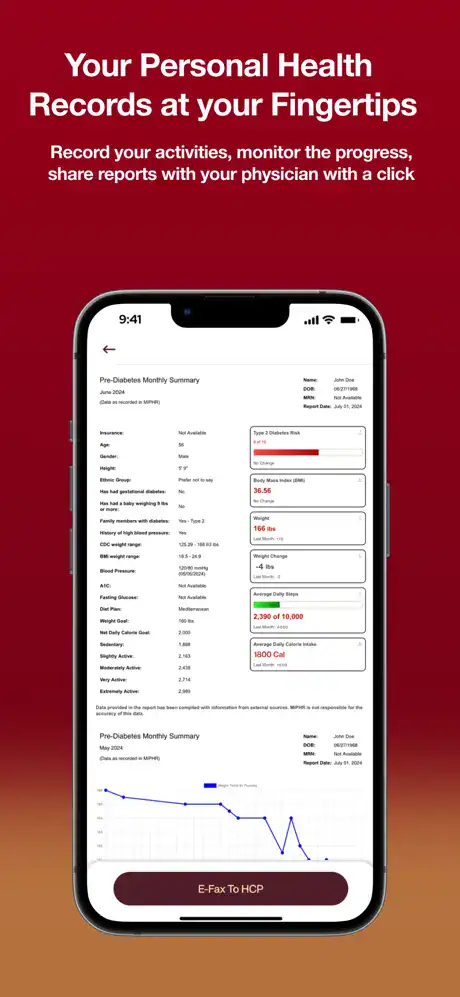
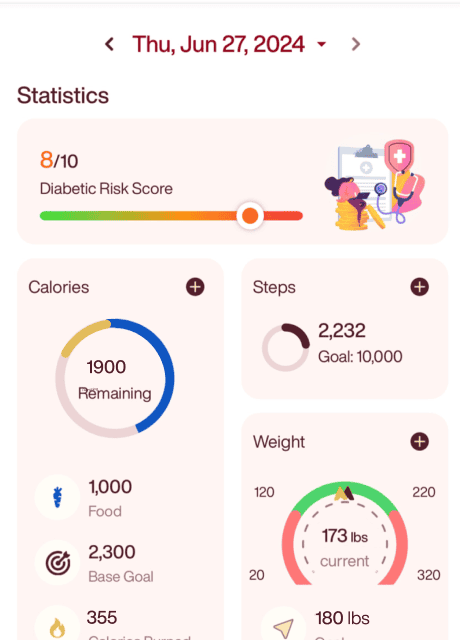
Arkenea developed a user-centric mobile health app, MiPHR, designed to support diabetes risk reduction and holistic health management. The application empowers users to take control of their wellness through features like calorie and nutrition tracking, real-time integration with wearable devices, and comprehensive monitoring of key health parameters such as blood glucose, blood pressure, and activity levels.
An intuitive, interactive dashboard displays personalized health trends with detailed visualizations, helping users stay engaged and informed. The app also includes a secure communication channel for sharing progress and health data with care teams, enhancing care coordination and enabling timely interventions.
By combining smart health tracking with provider connectivity, this mHealth solution delivers a proactive, patient-driven approach to chronic disease prevention and ongoing health optimization.
homecareiq
Operations software for Home Care agencies
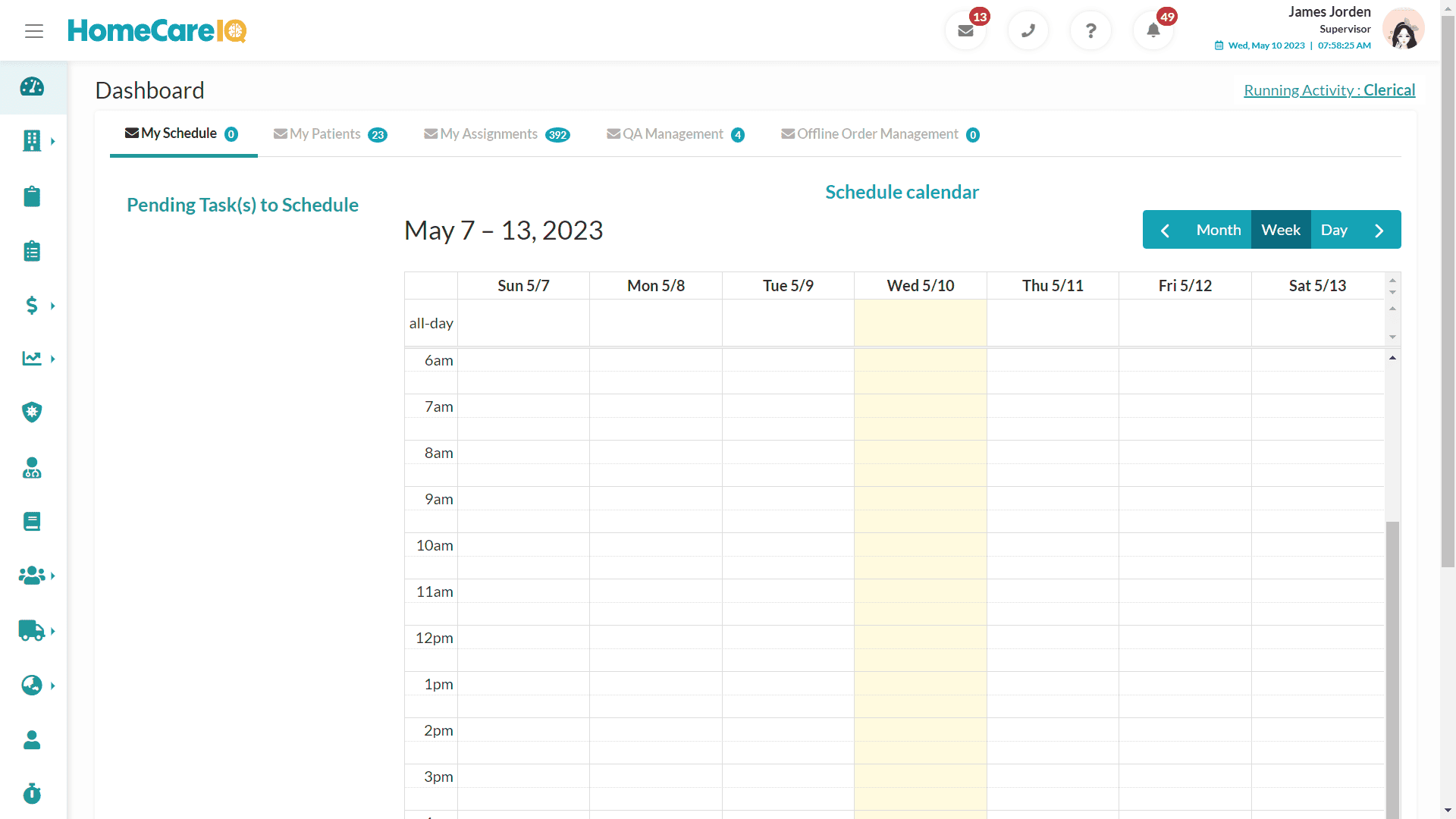
Arkenea developed a robust, web-based healthcare software, HomeCareIQ, leveraging the .NET technology stack, built to streamline operations and improve clinical efficiency. The solution features automated workflows, real-time access to patient health records, and secure, HIPAA-compliant data storage, ensuring seamless information flow across care teams.
Designed with a clean, scalable codebase, the platform enables rapid iteration, easy maintenance, and long-term flexibility for evolving healthcare needs. By automating routine administrative tasks and centralizing patient data, the system significantly increased staff productivity and reduced manual errors.
The end result is a high-performance clinical operations platform that enhances decision-making, supports coordinated care delivery, and elevates the overall quality of patient outcomes.
04
Case Study
05
Case Study
HomeHosp - Healthtech Company
Telehealth and EHR Software
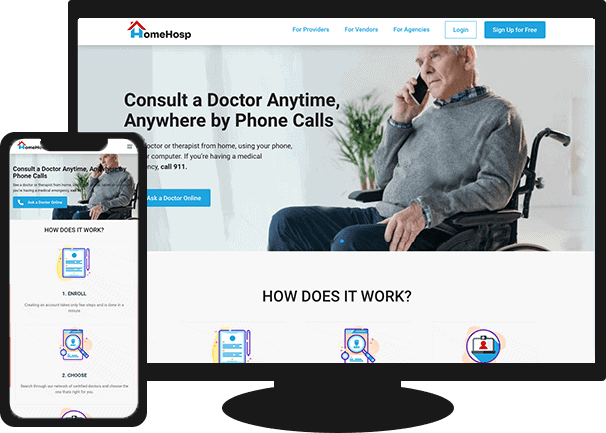
Arkenea collaborated with a physician-founder to design and develop a custom telehealth platform, HomeHosp, that facilitates secure virtual consultations between patients and healthcare providers. Built with a focus on accessibility and compliance, the platform streamlines the entire care journey, from scheduling to payment, within a HIPAA-compliant environment.
Key features include real-time appointment availability, automated reminders, and a secure document-sharing module that allows patients to easily upload and share medical records, lab results, and prior treatment notes. This ensures providers have the necessary context for effective remote care delivery.
To support frictionless transactions, we integrated a user-friendly billing and payment system offering multiple payment options, including credit cards, and digital wallets. The platform also includes a responsive UI optimized for mobile and desktop, making it easy for patients of all demographics to access virtual care.
Services We Provide
We take healthcare products from concept through design, development, compliance, integration, and long term support. These are the categories of medical software we build most often. Each one is delivered as custom software shaped around your workflows, your integrations, and your regulatory obligations.
Custom EHR and EMR Software
Purpose built electronic health record systems for practices and specialties that off the shelf EHRs serve poorly. We design documentation flows around how your clinicians actually chart, integrate billing, and migrate legacy data. See our EHR software development services.
Telehealth and Remote Patient Monitoring
Video visit platforms, virtual care workflows, and RPM applications that pull data from connected devices into clinical dashboards. Built with electronic prescribing, scheduling, and EHR integration. See our telemedicine app development services.
Patient Portals and Engagement Software
Patient facing portals and engagement tools covering intake, scheduling, secure messaging, education, and payments, designed so patients actually use them and staff field fewer phone calls.
Practice Management and RCM Software
Software that automates scheduling, eligibility checks, claims submission, denial tracking, and payment posting. We build revenue cycle tools that reduce the manual touches between a visit and a paid claim.
Medical Device Software (SaMD)
Software as a medical device and companion software developed under IEC 62304 aligned processes and FDA 21 CFR Part 820 quality expectations, with documentation prepared for regulatory submission. See our medical device software development services.
Healthcare SaaS Products
Multi tenant SaaS platforms for HealthTech founders, from MVP through scale, with HIPAA compliant cloud architecture on AWS, Azure, or Google Cloud and a roadmap built for enterprise healthcare buyers. See our healthcare SaaS software development services.
mHealth and Healthcare Mobile Apps
iOS and Android applications for patients, clinicians, and care teams, including apps that connect to wearables and home devices. See our healthcare app development services.
Healthcare Data Analytics
Clinical and operational analytics, quality reporting, and dashboards that turn EHR, claims, and device data into decisions, built on normalized data models using standards like FHIR, ICD 10, and LOINC.
Hospital and Care Operations Software
Departmental and operational systems for hospitals and care organizations: bed and resource management, care coordination, staff scheduling, and workflow automation that reduces the administrative load on clinical teams.
Home Care and Post Acute Software
Agency management platforms covering visit scheduling, documentation, payroll, and compliance for home health and post acute providers, like the operations platform we built for HomeCareIQ.
Pharmacy and Medication Software
Dispensing systems, formulary management, medication adherence tools, and drug data platforms, including the monograph automation software we built for Formulary Insights and dispensing software for Welgo.
Healthcare CRM and Communication
Referral management, patient outreach, and care team communication tools that keep providers, patients, and caregivers coordinated, with messaging designed around HIPAA rather than retrofitted to it, like we built for ReferHub.
From First Sketch to Years After Launch
Beyond the product categories above, our engagement covers the full lifecycle of a medical software asset. You can enter at any stage, though clients who start at discovery consistently spend less overall.
Healthcare Software Consulting
Product strategy, technical architecture, build vs buy analysis, and regulatory pathway planning before a line of code is written. Useful when you know the problem but not yet the shape of the solution.
Prototyping and Roadmapping
Clickable prototypes and functional specifications that validate the product with users, investors, and enterprise buyers before full development. Many founders use this deliverable to raise their next round.
Integration and Modernization
Connecting new and existing systems, replacing aging platforms, and migrating data out of legacy software without losing clinical history or disrupting operations mid transition.
Support and Evolution
Monitoring, security patching, compliance updates as regulations change, and a feature roadmap that keeps the product current with your organization and your market.
AI Healthcare Software Development
As an AI healthcare software development company, Arkenea builds machine learning and generative AI capabilities into clinical and operational software, always inside a HIPAA compliant architecture. McKinsey’s research on generative AI in healthcare finds most health system leaders already implementing or piloting the technology; the differentiator now is doing it safely, with measurable clinical and financial value. That is the standard we build to.
LLM and Generative AI Applications
Retrieval augmented generation over clinical knowledge bases, patient communication drafting, coding assistance, and internal copilots, architected so protected health information never leaves your compliance boundary.
Ambient Clinical Documentation
AI scribing and note summarization that turns the patient encounter into structured documentation, reducing the after hours charting burden that drives clinician burnout.
Machine Learning Diagnostics and Imaging
Image recognition and classification models for clinical use cases. We built an AI application that identifies orthopedic implants from x ray images for the surgical team at Kethan AI, including images captured at nonstandard orientations.
Predictive Analytics
Risk stratification, readmission prediction, staffing and demand forecasting, and denial prediction models trained on your clinical and operational data.
Conversational AI for Patients and Staff
Intake assistants, triage support, appointment management, and answer bots grounded in your approved content, with escalation paths to human staff designed in from the start.
NLP for Coding and Claims
Natural Language Processing pipelines that extract diagnoses, procedures, and codes from clinical text to speed coding, reduce claim errors, and surface missed revenue.
The Technology Stack Behind Our Healthcare Software
We choose technologies for longevity, security, and the availability of engineers who can maintain them a decade from now, because healthcare software outlives frameworks that chase trends. These are the tools we reach for most often; the right stack for your product is decided during discovery based on your integrations, team, and hosting requirements.
| Layer | Technologies We Work With |
|---|---|
| Web applications | React, Angular, Node.js, .NET, Python (Django), Ruby on Rails. |
| Mobile applications | Swift and SwiftUI for iOS, Kotlin for Android, React Native and Flutter where cross platform fits. |
| Cloud and infrastructure | AWS, Microsoft Azure, and Google Cloud with HIPAA eligible services, infrastructure as code, and environment separation. |
| Data | PostgreSQL, SQL Server, MySQL, MongoDB, data warehousing and analytics pipelines. |
| AI and machine learning | Python ML tooling, TensorFlow and PyTorch, foundation model APIs with retrieval augmented generation, model monitoring and evaluation tooling. |
| Interoperability | HL7 v2.x, FHIR R4, CDA, DICOM, Surescripts, Apple HealthKit, Google Health Connect, EHR vendor APIs. |
| Video and communication | WebRTC and HIPAA eligible video and messaging infrastructure for telehealth. |
Software Development for Every Type of Healthcare Organization
HealthTech Startups
MVP scoping, prototyping, and full product development for funded founders, including nontechnical founders who need a technical partner who can own the build. We help you get to a demo that closes enterprise healthcare deals and through the security reviews those buyers require.
Hospitals and Health Systems
Departmental applications, care coordination tools, and integrations that extend the systems you already run rather than fighting them, delivered with the security documentation your IT governance requires.
Medical Practices and Clinics
Custom EHRs, practice management tools, and patient engagement software for independent practices and specialty groups, including practices with multiple locations that off the shelf systems force into awkward workarounds.
Payers, Pharma, and Labs
Claims and compliance automation for payers, engagement and field force applications for pharmaceutical companies, including our work for Novo Nordisk, and data platforms for labs and pharmacy stakeholders.
HIPAA Compliance and Healthcare Regulatory Expertise
HIPAA compliance in software development means implementing the administrative, physical, and technical safeguards of the HIPAA Security Rule in the architecture itself: encryption of PHI in transit and at rest, role based access control, automatic session management, complete audit trails, and breach ready logging. At Arkenea these controls are written into the functional specification during discovery, so compliance is verified continuously during development instead of discovered as a gap during your customer’s security review.
HIPAA in Our Architecture
Every specification we produce documents where PHI lives, how it moves, and who can touch it. Concretely: AES 256 encryption at rest and TLS in transit, role based access mapped to the minimum necessary standard, unique user identification, automatic logoff, immutable audit logs of every PHI access, and environment separation so production data never appears in development or testing. We sign business associate agreements and design so your downstream vendors are covered by them too.
FDA and Medical Device Software
Where software meets the definition of a medical device, we work within IEC 62304 aligned development processes and FDA 21 CFR Part 820 quality expectations: documented requirements, risk analysis, traceability from requirement to test, and verification records prepared for submission. Discovery includes a regulatory pathway assessment, so you know whether your product needs a 510(k) strategy before you commit a development budget to it.
The Wider Compliance Map
15+ years of healthcare projects have taken us through HITECH, HITRUST, GDPR and PIPEDA for international users, PCI DSS where payments flow, and the US provider realities of ONC certification criteria, CMS rules, and MIPS and MACRA reporting. Your product's compliance surface is mapped during discovery and carried into the specification, not rediscovered during a customer's vendor security questionnaire.
EHR Integration and Healthcare Interoperability
Healthcare software that cannot exchange data with the systems around it creates manual work instead of removing it. We build bi directional integrations with major EHRs including Epic, Oracle Health (Cerner), and athenahealth, electronic prescribing through Surescripts, and lab and device interfaces, using HL7 v2 messaging, FHIR APIs, and CDA documents as each integration requires.
EHR and Practice System Integrations
Patient demographics, scheduling, clinical documents, orders, and results flowing both directions between your product and the EHRs your users already run. We handle vendor developer program enrollment, sandbox certification, and the app review processes the major EHR vendors require.
Healthcare Data Standards
Daily working fluency in HL7 v2.x messaging, FHIR R4 resources and APIs, CDA documents, DICOM for imaging, and the terminologies underneath: ICD 10, CPT, LOINC, SNOMED CT, and NDC. Standards fluency is what separates an integration that ships from one that stalls in mapping disputes.
Devices, Wearables, and IoT
Remote monitoring integrations with connected devices and consumer wearables through Apple HealthKit, Google Health Connect, and device vendor APIs, with clinical review workflows so device data becomes actionable signal rather than noise in a dashboard nobody opens.
Our Healthcare Software Development Process Detailed
At Arkenea, we follow a proven, structured approach to our healthcare software development services, ensuring our solutions are HIPAA-compliant, scalable, and tailored to meet the unique needs of healthcare providers, startups, and enterprises.
1. Discovery and Requirement Analysis
We work closely with clients to define key features and workflows tailored to their specific needs. This stage ensures that the software aligns with HIPAA, GDPR, HL7, and FHIR standards, ensuring compliance and security from the outset. We also identify the necessary integrations with EHRs, telehealth platforms, and medical devices, ensuring seamless functionality within the broader healthcare ecosystem.
2. UI/UX Design and Prototyping
Our designers craft intuitive and accessible interfaces that cater to both healthcare professionals and patients. We develop prototypes and wireframes, allowing stakeholders to provide early feedback before full scale development. The user experience is optimized across mobile, desktop, and wearable devices, ensuring accessibility and ease of use for all users.
3. Custom Healthcare Software Development
Our engineers build secure, scalable, and high performance healthcare applications. This includes AI driven automation for clinical workflows, custom EHR and practice management systems, and medical billing software, among others. Every solution is developed with performance and interoperability in mind, ensuring seamless integration into existing healthcare environments.
4. Compliance Implementation
We implement robust security measures at every stage of development. Our solutions adhere to HIPAA, FDA, and SOC 2 compliance requirements, incorporating data encryption, multi-factor authentication, and role-based access controls to safeguard sensitive patient information. We also integrate audit logging and real-time monitoring to proactively detect and prevent security breaches.
5. Integration with Healthcare Ecosystem
We enable HL7 and FHIR data exchange protocols, ensuring standardized connectivity between healthcare applications. Additionally, we integrate with wearable and IoT medical devices, allowing real time data collection for enhanced patient monitoring and diagnostics.
6. Quality Assurance
We conduct automated and manual testing to identify and fix potential issues, ensuring optimal performance. User acceptance testing (UAT) is carried out to ensure that the system meets their real world needs.
7. Deployment
We offer secure, scalable deployment options, whether on AWS, Azure, Google Cloud, or on premise servers. Our team ensures continuous monitoring and performance optimization, guaranteeing a seamless rollout with minimal downtime to prevent disruptions in critical healthcare operations.
8. Software Maintenance and Support
Healthcare technology evolves rapidly, and we provide complete technical support, regular updates to meet regulatory changes, and AI based analytics for performance optimization. This ongoing support ensures that our clients stay ahead of industry advancements while maintaining system efficiency.