
Telemedicine App Development Company Since 2011
Arkenea has 15+ years of healthcare application development experience, developing synchronous and asynchronous telemedicine applications that connect patients and providers seamlessly. We’ve helped Health Systems and HealthTech startups launch HIPAA-compliant telemedicine/telehealth applications that improve patient outcomes.

Awarded Best Healthcare Software Development Company For 3rd Year
Some Of Our Key Clients







Exclusive Healthcare Focus Since 2011 + Telemedicine App Development Experience
Arkenea has been exclusively focused in the Healthcare Software space for over 15 years developing custom telemedicine applications for HealthTech entrepreneurs and healthcare businesses.
We’ve developed both – synchronous and asynchronous telemedicine applications for our clients, whether as an independent telehealth application or part of a larger custom software project.
Telehealth Startups
Providers & Hospitals
Specialty Practices
Being at the helm of technological innovation, we help HealthTech entrepreneurs transform their vision into reality with our end-to-end application consultation, design and development services.
We help Health Systems build an intuitive telemedicine application tailored to meet your requirements that integrates into your existing EHR workflows.
Depending on your area of specialization, we design and develop feature rich telemedicine applications with custom workflows specific to your specialty to enable you to offer virtual care to your patients.
Our Case Studies
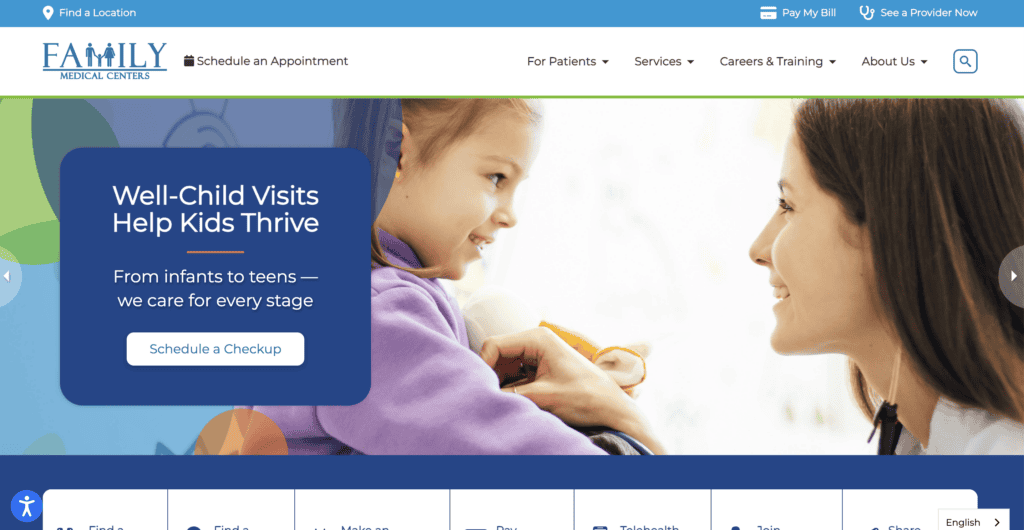
Urgent Care Telemedicine Application: Cumberland Family Medical Center
Arkenea designed and built a HIPAA-compliant, multi-role telehealth application for Cumberland from the ground up. We created a secure system that connects patients, front desk staff, healthcare providers, and administrators in one unified workflow, covering both a React Native mobile app for patients and a responsive web application for clinical and administrative teams.
Providers access a live dashboard to review intake notes, join video consultations with audio, video, and optional chat, and mark visits complete. The entire platform meets WCAG 2.1 AA accessibility standards and satisfies HIPAA requirements with encrypted PHI and immutable audit logging.
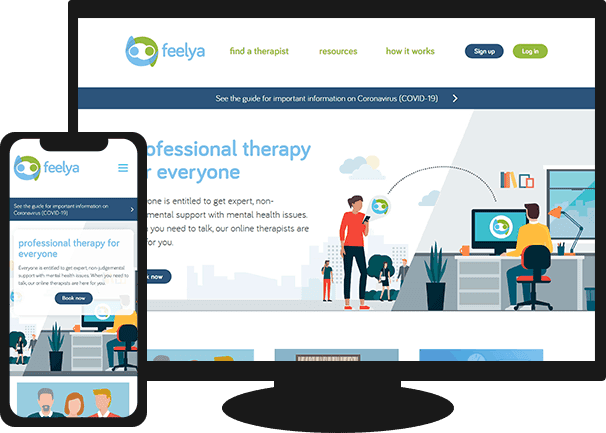
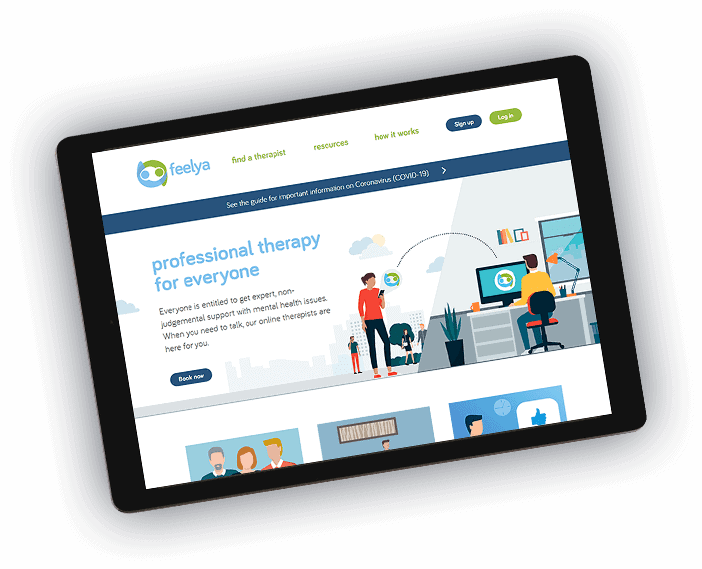
TeleTherapy Application: Feelya
Arkenea helped increase sales revenue by rearchitecting Feelya’s existing telemedicine application. We helped revise the user experience of this mental health telemedicine app to increase user engagement. We redesigned and built a new client and therapist journey that would be more attractive and easy to use. We also revamped the patient-physician booking process to make it more efficient. The end result was increased client and therapist registrations, driving their revenues north. Patients can create a profile, search for physicians/therapists in a specific location, choose their preferred therapist, schedule a consultation, conduct the entire consultation via messaging or video and also seamlessly pay for the entire therapy session on the workflows that Arkenea built.
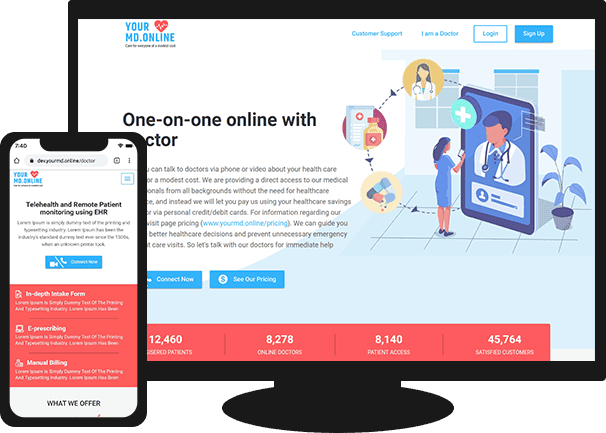
Full Speciality Telehealth Application: United Medical Group
We helped United Medical Group (UMG) scale their multi-practice setup by leveraging telemedicine to include physician contractors. Arkenea helped UMG build a web-based telemedicine application for patients to consult with physicians and specialists on-demand, with transparent and straightforward unified pricing where the patient pays in cash and not with insurance. This application has full specialty support by UMG physicians from Internal Medicine, Infectious Disease, Pulmonology, Cardiology, Wound Care, Nephrology, Gastroenterology, Pediatrics, Behavioral Health and more. Some of the unique features of UMG’s telemedicine application include on-demand and scheduled visits, one time visit link that expires after the visit and referral for affiliated physicians clinics for in person evaluation or testing, among others.
Multi-Tenant Telemedicine Application: TeleMed Home
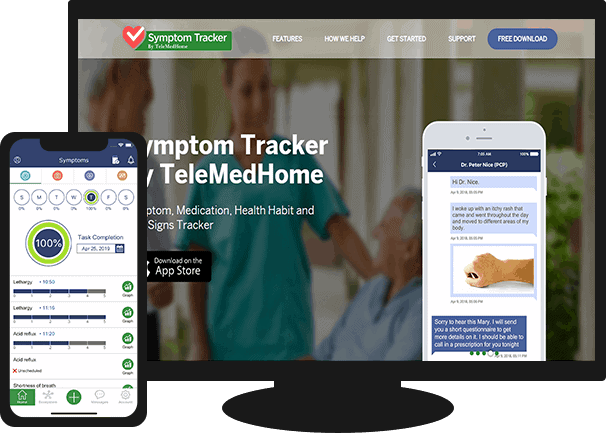
Arkenea helped bring TeleMedHome’s telehealth application MVP to market quickly for faster iterations. We helped create a detailed blueprint and architecture of the application for the physician-entrepreneur team of TeleMedHome. With the initial prototype development, we were able to design and develop the first iteration (MVP) of the application. This telemedicine mobile application connects patients with their caregivers, medical providers, health coaches and care managers. It fosters an easy 2-way communication between the patient and the physician, promotes provider to provider communication and secure HIPAA-compliant text/image/video exchange. This application promotes care plan compliance and medication adherence.
Cross-Platform TeleHealth Application: HomeHosp
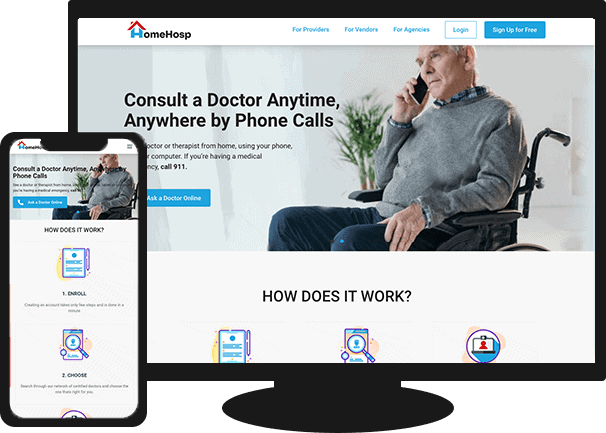
Arkenea designed and developed the HomeHosp telemedicine application (web and mobile app) from the ground up. This entire telemedicine application is simple and user friendly, private and secure and allows for tracking of doctors and vendors within your location. With HIPAA-compliant private video conferencing, doctors can fill gaps of time between patients awaiting their arrival or preparation for an examination. HomeHosp also helps doctors reduce their no-show rate.
Generative AI In Telemedicine
Arkenea delivers advanced AI-powered telemedicine solutions that drive clinical efficiency and improve patient outcomes for healthcare startups and health systems. Our team integrates intelligent diagnostic tools that analyze medical imaging and patient data to assist with preliminary diagnoses, natural language processing for automated clinical documentation from consultation transcripts, and predictive analytics to identify patients at high risk for readmission.
We help build AI-first telemedicine platforms that include automated remote patient monitoring systems using machine learning to detect anomalies in vital signs, intelligent prescription management tools that check for drug interactions and adherence, and personalized patient engagement features that deliver tailored health education and reminders.
Every solution is engineered for full HIPAA compliance and seamless integration with existing EHR and practice management softwares.
Core Telehealth Features and Functionalities
Provider App Features
- Virtual Consultations: Seamlessly conduct video consultations with patients, enabling diagnosis, treatment, and follow-up care from anywhere.
- Appointment Scheduling: Providers can manage their schedules and allow patients to book appointments online, reducing administrative overhead.
- EHR Integration: Integrate patient records securely for a holistic view of medical history, facilitating informed decision-making.
- Prescription Management and ePrescriptions: Providers can electronically prescribe medications to pharmacies, enhancing convenience and accuracy.
- Patient Dashboard: Access real-time patient data, treatment history, lab results, and treatment plans in one centralized dashboard.
- Secure Messaging: Communicate with patients through a secure messaging system, ensuring privacy while addressing queries.
- Telemonitoring: Monitor patients remotely by collecting and analyzing data from wearable devices, enabling proactive care.
- Billing and Payment: Streamline billing and payment processes, making it hassle-free for both providers and patients.
Patient App Features
- User-Friendly Interface: Intuitive navigation and a user-centric design for ease of patients.
- Appointment Scheduling and Reminders: Patients can book their preferred slot and receive automated appointment reminders and notifications, reducing no-show rates.
- Virtual Waiting Room: Join virtual waiting rooms before appointments, ensuring a smooth connection with healthcare providers.
- Access to Medical Records: Patients can view their medical history, prescriptions, and lab results, empowering them to actively participate in their care.
- Secure Communication: Communicate with healthcare providers securely through the app, discussing concerns and receiving guidance.
- Medication Reminders: Set medication reminders to ensure timely doses, enhancing treatment adherence.
- Feedback and Ratings: Allow patients to provide feedback and rate their telemedicine experience, helping providers improve their services.
Synchronous and Asynchronous Telemedicine Software Development Solutions
Arkenea partners with healthcare founders and operators to design and develop telemedicine software that supports both synchronous and asynchronous care models. From live virtual visits to protocol-driven programs like GLP-1–based weight management, we help clients build systems that are clinically sound, compliant, and ready to scale.
01.
Clinical-First Foundations
We help clients establish the right clinical and regulatory foundation regardless of care modality: compliant medical structures, state-level provider coverage, defensible care protocols, prescribing controls, and medical oversight. Whether it’s real-time consultations or async GLP-1 prescribing workflows, we design platforms that stand up to clinical scrutiny and audits.
02.
Flexible Care Workflows
Arkenea builds platforms that support real-time video visits, scheduling, and clinician documentation alongside asynchronous intake, triage, clinician review queues, prescribing guardrails, refills, and follow-ups. This flexibility allows our clients to support traditional telemedicine, hybrid care, and fast-growing async models (example, GLP-1) without rebuilding their product later.
03.
Secure, Scalable Technology
We design dependable telemedicine application stacks: patient portals, clinician dashboards, secure messaging, EPCS, subscriptions, payments, pharmacy and fulfillment integrations, and HIPAA-compliant infrastructure. As markets like GLP-1 care become crowded, operational rigor, trust, and reliability become key differentiators — and we build for that from day one.
Telehealth App Development Process That Delivers Results
1. Requirement Gathering & Analysis
Our healthcare business analysts conduct comprehensive stakeholder interviews to understand your specific clinical workflows, patient demographics, and regulatory requirements. We perform detailed HIPAA compliance assessments, identify integration touchpoints with existing systems, and establish security frameworks that exceed industry standards.
Deliverables:
- Detailed requirements specification document
- HIPAA compliance roadmap
- Technical architecture blueprint
- Risk assessment and mitigation plan
- Project timeline and resource allocation
2. User Experience Design
Our UX designers, working closely with healthcare professionals, create intuitive interfaces that reduce cognitive load for both patients and providers. We design clinical workflows that mirror existing practices while leveraging digital efficiencies to improve care delivery speed and accuracy.
Deliverables:
- User persona development and journey mapping
- Wireframes and interactive prototypes
- Clinical workflow optimization plans
- Accessibility compliance documentation (WCAG 2.1 AA)
- Mobile-first responsive design specifications
3. Technical Architecture and Integration Planning
Our solution architects design scalable, cloud-native architectures that support high-availability requirements and seamless integration with Electronic Health Records (EHR), Practice Management Systems, and third-party healthcare APIs. We establish data flow diagrams and security protocols that ensure HIPAA compliance throughout the system.
Deliverables:
- System architecture documentation
- Database design and data modeling
- API specification and integration plans
- Security architecture and encryption protocols
- Scalability and performance optimization plans
4. Core Platform Development and Backend Implementation
Our development team builds the core telemedicine application using modern, healthcare-specific technology stacks. We implement robust backend systems that handle video conferencing, secure messaging, appointment scheduling, and patient data management with enterprise-grade security and performance.
Key Development Focus Areas:
- Real-time video and audio communication systems
- Secure patient data storage and retrieval
- Appointment scheduling and calendar integration
- Electronic prescribing (eRx) capabilities
- Billing and insurance processing integration
5. Frontend Development and Mobile Applications
We develop responsive web applications and native mobile apps for iOS and Android platforms, ensuring consistent user experiences across all devices. Our frontend development prioritizes accessibility, performance, and intuitive navigation for users of all technical skill levels.
Platform Coverage:
- Progressive Web Application (PWA)
- Native iOS application
- Native Android application
- Desktop web application
- Tablet-optimized interfaces
6. Integration and Third-Party Connectivity
Our integration specialists connect your telemedicine application with existing healthcare systems, including EHR/EMR systems, laboratory information systems, pharmacy networks, and insurance verification services. We ensure seamless data flow while maintaining strict security and compliance standards.
Common Integrations:
- Epic, Cerner, Allscripts EHR systems
- Laboratory information systems (LIS)
- Pharmacy benefit management (PBM) networks
- Insurance eligibility verification services
- Medical device and IoT connectivity
7. Quality Assurance and Compliance Testing
Our QA team conducts comprehensive testing including functional testing, security penetration testing, HIPAA compliance auditing, and performance testing under various load conditions. We simulate real-world usage scenarios to ensure reliability and optimal performance.
Testing Protocols:
- Automated and manual functional testing
- Security vulnerability assessments
- HIPAA compliance auditing
- Performance and load testing
- Cross-platform compatibility testing
- Accessibility compliance verification
8. Deployment, Training, and Ongoing Support
We manage the complete deployment process, including cloud infrastructure setup, security configuration, and staff training programs. Our support team provides 24/7 monitoring and maintenance to ensure optimal performance and rapid issue resolution.
Support Services:
- Cloud infrastructure management
- 24/7 system monitoring and support
- Regular security updates and patches
- Staff training and onboarding programs
- Performance optimization and scaling
Frequently Asked Questions
Getting Started and Project Scope
What should a first release of a telemedicine application include?
For a first release, Arkenea prioritizes the features that directly enable clinical encounters and protect the practice legally: secure video and audio consultations, appointment scheduling with automated reminders, e-prescribing, in-app secure messaging, payment collection, visit notes, and basic analytics. Role-based access controls, informed consent capture, and immutable audit logging are built in from the start rather than retrofitted, because adding compliance infrastructure after launch is significantly more disruptive and costly than designing for it initially.
How long does it take to launch a telemedicine application?
An MVP with core consultation, scheduling, and payment capabilities is typically ready within 4 to 6 months, accounting for security testing and clinical workflow validation. Larger programs that include deep EHR integration, remote patient monitoring, multi-state licensure configuration, and enterprise rollout planning generally run 6 to 12 months. Arkenea shares a detailed delivery plan with milestones and a biweekly demo cadence so stakeholders have visibility throughout.
What does a typical project engagement look like from start to finish?
The engagement follows a structured sequence:
- Discovery and scope definition, including clinical workflow mapping and compliance assessment.
- UX and UI design with wireframes and interactive prototypes reviewed by clinical and administrative stakeholders.
- Technical architecture and integration planning.
- Iterative development sprints with demos every two weeks.
- Security testing, HIPAA compliance auditing, and clinical validation.
- Pilot launch and staged rollout.
- Ongoing support, performance monitoring, and planned roadmap cadence.
Every engagement includes a dedicated product manager, technical lead, and compliance advisor.
What is the typical cost range for a custom telemedicine platform?
Costs vary directly with scope, number of integrations, and deployment complexity. As directional guidance, an MVP covering core virtual visits, scheduling, and payment processing typically ranges from $50,000 to $100,000. Builds that include deep EHR integration, remote patient monitoring, asynchronous care workflows, and advanced analytics trend considerably higher. Arkenea offers both fixed-price and time-and-materials engagement models, with a detailed cost estimate provided after a short discovery session.
Does Arkenea work with telemedicine startups as well as established health systems?
Yes. Arkenea serves HealthTech startups from pre-seed MVP through Series C, as well as hospitals, health systems, and specialty practices. The technical and regulatory requirements differ meaningfully across these segments, and Arkenea has production experience in each. Startups building a first product and health systems retrofitting virtual care into existing workflows have both been served without the firm treating one as a secondary priority.
Compliance and Security
How does Arkenea ensure HIPAA compliance throughout design and development?
Arkenea designs for privacy by default rather than treating compliance as a checklist applied at the end. This means end-to-end encryption for data in transit and at rest, role-based access controls with least-privilege enforcement, detailed audit logging, secure key management, and a signed Business Associate Agreement (BAA) covering the engagement. Threat modeling is conducted during the architecture phase, and security penetration testing and HIPAA compliance auditing are completed before any production launch.
What accessibility standards does Arkenea target for telemedicine applications?
The design system targets WCAG 2.2 AA compliance, including screen reader support, full keyboard navigation, sufficient color contrast ratios, captions for recorded sessions where applicable, and clear error messaging that does not rely on color alone. Accessibility compliance documentation is produced as a formal deliverable during the UX phase.
Technical Capabilities and Integrations
Can Arkenea integrate a telemedicine application with an existing EHR or practice management system?
Yes. Arkenea regularly integrates telemedicine platforms with EHR and practice management systems using FHIR (R4 and DSTU2) and HL7 v2.x/v3, including Epic, Cerner, and Allscripts. The integration scope includes data model mapping, interface configuration, bidirectional data validation, and workflow testing with the clinical team to confirm that existing operations are not disrupted. Connections to laboratory information systems, pharmacy benefit management networks, and insurance eligibility verification services are also within scope.
What video technology does Arkenea use and how is call reliability ensured?
Arkenea uses proven WebRTC frameworks with adaptive bitrate streaming and TURN/STUN server support to handle varied network conditions. Pre-call device checks for camera, microphone, and network quality are built into the patient and provider workflows. Session-level monitoring tracks packet loss and jitter in production. For high-acuity workflows, session fallback to audio is available while preserving notes and timestamps, so a connectivity issue does not result in lost clinical documentation.
Does Arkenea support both synchronous and asynchronous telemedicine models?
Yes. Arkenea builds platforms that support both care delivery models within a single product. Synchronous capabilities include real-time video visits, live scheduling, and real-time clinician documentation. Asynchronous capabilities include structured patient intake, triage queues, clinician review workflows, prescribing guardrails, refill management, and automated follow-ups. This architecture is relevant for async-first use cases such as GLP-1 weight management programs and dermatology, where clinical volume at scale is not compatible with a purely synchronous model.
What platforms and device types does Arkenea develop telemedicine applications for?
Arkenea delivers native iOS and Android mobile applications, cross-platform mobile applications using React Native and Flutter, responsive web applications, progressive web applications (PWA), desktop web applications, and tablet-optimized interfaces. The platform coverage for a given engagement is determined by your patient population and provider workflows, not by a default template applied to every project.
AI in Telemedicine
What AI capabilities can Arkenea integrate into a telemedicine platform?
Arkenea integrates AI capabilities that address specific clinical and operational problems rather than adding AI as a feature for its own sake. Current integrations include AI-assisted diagnostic imaging analysis, natural language processing for automated clinical documentation from consultation transcripts, predictive analytics for identifying patients at elevated readmission risk, automated remote patient monitoring with machine learning-based anomaly detection for vital signs, intelligent prescription management with drug interaction checking and adherence tracking, and personalized patient engagement through tailored health education and reminder logic. Every AI implementation is scoped for HIPAA compliance and validated against the clinical workflow it is designed to support.
Data Ownership, Migration, and Post-Launch Support
Who owns the patient data and source code after the project is complete?
The client owns all patient data and the custom source code developed under the engagement agreement. Arkenea provides data export options, complete technical documentation, and operational runbooks so the client's team can operate and extend the platform independently if needed. This ownership structure is specified contractually at the outset of the engagement, not ambiguously addressed at the end.
What does post-launch support include?
Post-launch support includes defined SLAs for uptime and incident response time, active incident management, security patches and dependency updates, app store submission management for mobile applications, and a planned roadmap cadence for feature development. 24/7 coverage for critical incidents is available for engagements that require it. Arkenea's support model is structured around long-term partnership rather than project closeout, which is relevant for healthcare applications where regulatory changes and clinical workflow evolution require ongoing software updates.